After collecting two first-round picks for Jeffery Simmons, Tennessee has another valuable trade asset whose season could attract a contender.
The Tennessee Titans made a significant move ahead of the 2026 NFL trade deadline by trading All-Pro defensive tackle Jeffery Simmons to the Chicago Bears. In return, the Titans received two first-round draft picks, a key part of their rebuilding strategy as the Nov. 10 deadline approaches. Tennessee gets Chicago’s first-round picks for 2027 and 2028, along with a fourth-round pick in 2027, while Simmons is released and a fifth-round pick in 2028. This deal gives the Titans valuable flexibility as they continue to build around their young quarterback, Cam Ward.
Going forward, the Titans should consider another defensive trade, this time involving a lesser-known player for a more modest return. Defensive end Jacob Martin showed himself to be a productive pass rusher during a disappointing season, making him an attractive target for a contender.
Trading Martin to the Detroit Lions for a fourth-round draft pick would allow Tennessee to benefit from his current strong performance while giving younger defensive players more opportunities to contribute.
The Titans must trade Jacob Martin to the Lions before the NFL trade deadline
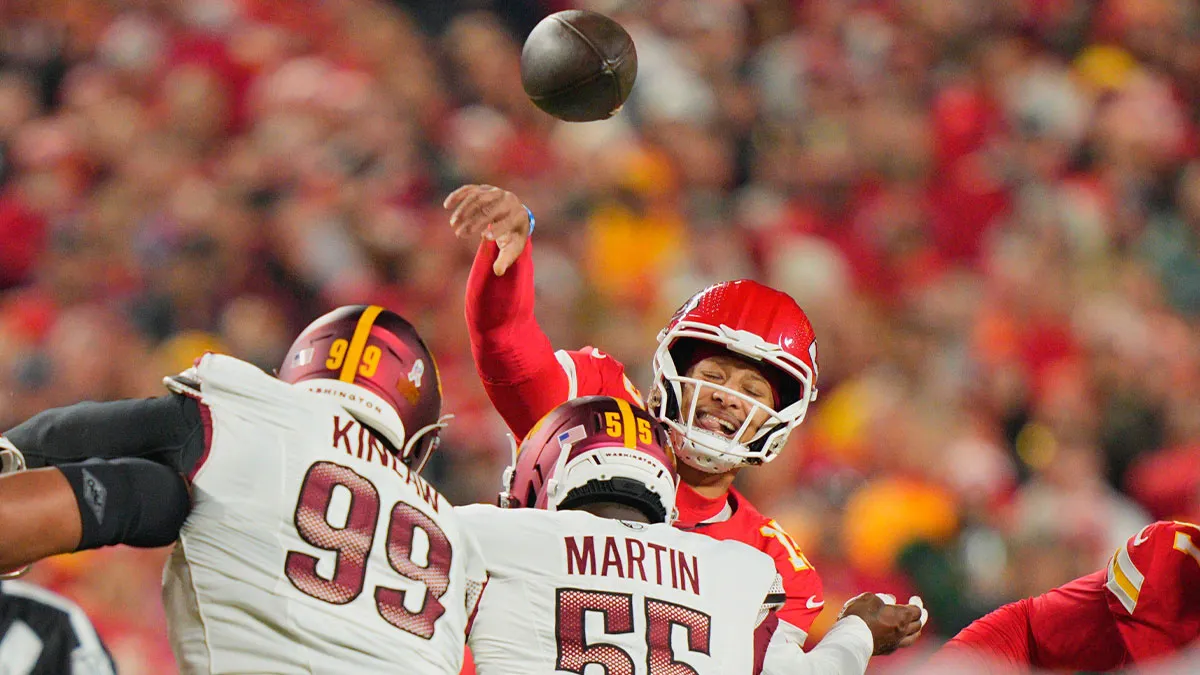
Martin has quietly emerged as one of the most productive players on Tennessee’s defensive front, delivering a career-best performance at a key moment in the season. In Week 8, the veteran defensive end recorded three sacks against Cincinnati, continuing to disrupt Joe Burrow, though the Titans ultimately lost the game 43-36. His standout performance included a critical fourth-down sack that forced a turnover on downs, showing his ability to deliver impactful plays against a strong passing offense.
Martin finished the game with four tackles and six quarterback pressures, bringing his season total to 6.5 sacks through eight games. This figure surpassed his previous career high of 5.5 sacks, which he set in Washington last season, and he has notched at least half a sack in five games this year, giving Tennessee more consistent pressure than many expected when he joined the team. His contributions have been particularly interesting given the current state of the Titans, and with a 1-7 record entering their Week 9 bye, the franchise faces limited realistic postseason ambitions. While Martin delivered an encouraging performance against Cincinnati, the Titans are still in the early stages of building a competitive roster that can challenge the strongest teams in the AFC South.
While Martin will be a big help in this development, his age and experience position him as a different type of asset compared to the younger players Tennessee will need to focus on for the future. The defensive end turns 31 in December, and his peak production coincides with several potential contenders looking to improve their pass rush.
Why Detroit would benefit from getting Martin
Detroit offers an intriguing destination for football fans as the Lions have the talent to compete for the NFC North title, though they are still looking for greater defensive consistency. Dan Campbell’s team enters Week 9 with a 5-2 record, averaging 29 points per game while allowing 25.7, and these stats show the contrast between a high-performing offense capable of supporting a championship run and a defense that still gives opponents a chance to stay competitive.
The Lions boast talented defensive linemen, including Aidan Hutchinson, DJ Wonnum, and Alim McNeill. Hutchinson and Wonnum each recorded five sacks this season, while McNeill added another 4.5 from the interior. As a result, there is no immediate need for Detroit to replace its established starters. However, adding a player like Martin could bolster their rotation and give defensive coordinator Kelvin Sheppard another experienced option for clear passing situations. This difference is significant as the regular season progresses.
Detroit’s defensive front has enough talent to generate pressure, but over-reliance on both players for long games could lead to issues as opponents adjust their protection schemes. Introducing Martin will allow the Lions to distribute snaps more effectively, especially when Hutchinson or Wonnum need short breaks, and his experience in different defensive systems could also make him valuable in special packages that focus on attacking the quarterback, rather than accepting every-down assignments.
The Lions’ secondary has faced significant challenges this season, increasing the burden on the defensive front to prevent opposing quarterbacks from finding comfortable throwing situations. A stronger pass-rushing rotation can help reduce the time defensive backs must maintain coverage, especially against teams that can exploit multiple areas of the field.
Tennessee must prioritize its younger talent on defense
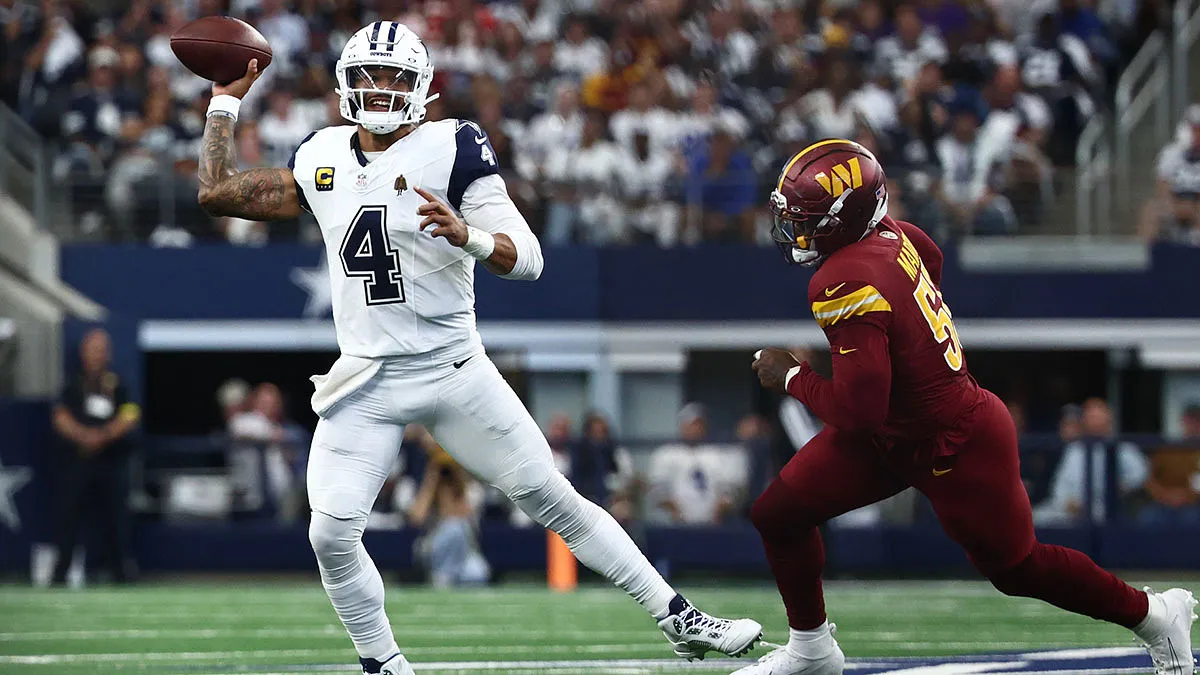
The strongest argument for trading Martin revolves around the potential impact of his departure on Tennessee’s rebuilding process. The Titans have already made significant investments on their defensive front, acquiring Jermaine Johnson II from the New York Jets during the offseason and selecting Keldric Faulk in the first round of the 2026 NFL Draft. Johnson plays a key role in Robert Saleh’s defensive strategy, while Faulk represents a young player whose development could significantly influence the organization’s success in the coming years.
Femi Oladejo also offers another development option, giving Tennessee opportunities to distribute defensive snaps to players who could be valuable contributors in the long run. If Martin leaves, additional opportunities will open up for this group, especially at a time when Tennessee’s competitive outlook has weakened significantly. Faulk played in all eight games, registering his first NFL sack while slowly adjusting to the demands of professional football, and his gradual increase in responsibilities could help the coaching staff evaluate how well he handles more challenging tasks.
The Titans will still have veterans available to provide leadership, including Johnson and defensive lineman John Franklin-Myers. This remaining experience is important because trading Simmons removed one of the team’s most influential defensive leaders. Saleh needs to maintain a competitive environment while giving younger players enough space to develop. Trading every productive veteran would defeat this goal, making it important to distinguish between players who are central to the rebuild and those whose trade value may exceed their future contributions.
What the Titans should ask for in a Jacob Martin trade
A fourth-round pick represents an ambitious but reasonable asking price for Martin, especially given his current performance and contract situation. He signed a two-year deal with Tennessee during the offseason and will remain under contract until 2027. This means that any team that hires him will not face the immediate risk of losing him in free agency.
Martin’s scheduled cap charge for 2027 is about $5.5 million, which is a manageable commitment for an opponent looking to bolster its rushing depth, and while Tennessee would still be responsible for certain accounting obligations related to previously paid bonuses, a trade would remove the remaining salary commitments that would be transferred to the acquiring team. This financial commitment makes Martin more attractive than a veteran who could demand an expensive contract extension. However, his age and past performance may limit how aggressive he can be with other teams.
Detroit could start negotiations with a fifth-round pick, but Tennessee should prioritize a fourth-round compensation, considering Martin had a career-best season and has a year left on his contract. If the Lions are unwilling to meet this valuation, General Manager Ryan Borgonzi should be willing to reach out to other contenders instead of settling for an unacceptably low return.
The Titans have already shown, through the Simmons trade, that they are willing to make tough decisions when the payoff aligns with their long-term goals. Martin presents a similar opportunity on a smaller scale. Tennessee can retain its younger defensive core while turning a productive veteran into additional draft capital.
The Tennessee Titans made a significant move ahead of the 2026 NFL trade deadline by trading All-Pro defensive tackle Jeffery Simmons to the Chicago Bears. In return, the Titans received two first-round draft picks, a key part of their rebuilding strategy as the Nov. 10 deadline approaches.