When it comes to whether the Eagles properly handled the health care provided to Eagles quarterback Jalen Hurts for his blood clots, the NFL is not a neutral, disinterested party. The NFL, through chief medical officer Allen Sills, arranged for Hurts’ test in London, which is part of what the league is doing to support all NFL teams mandated to play around the world.
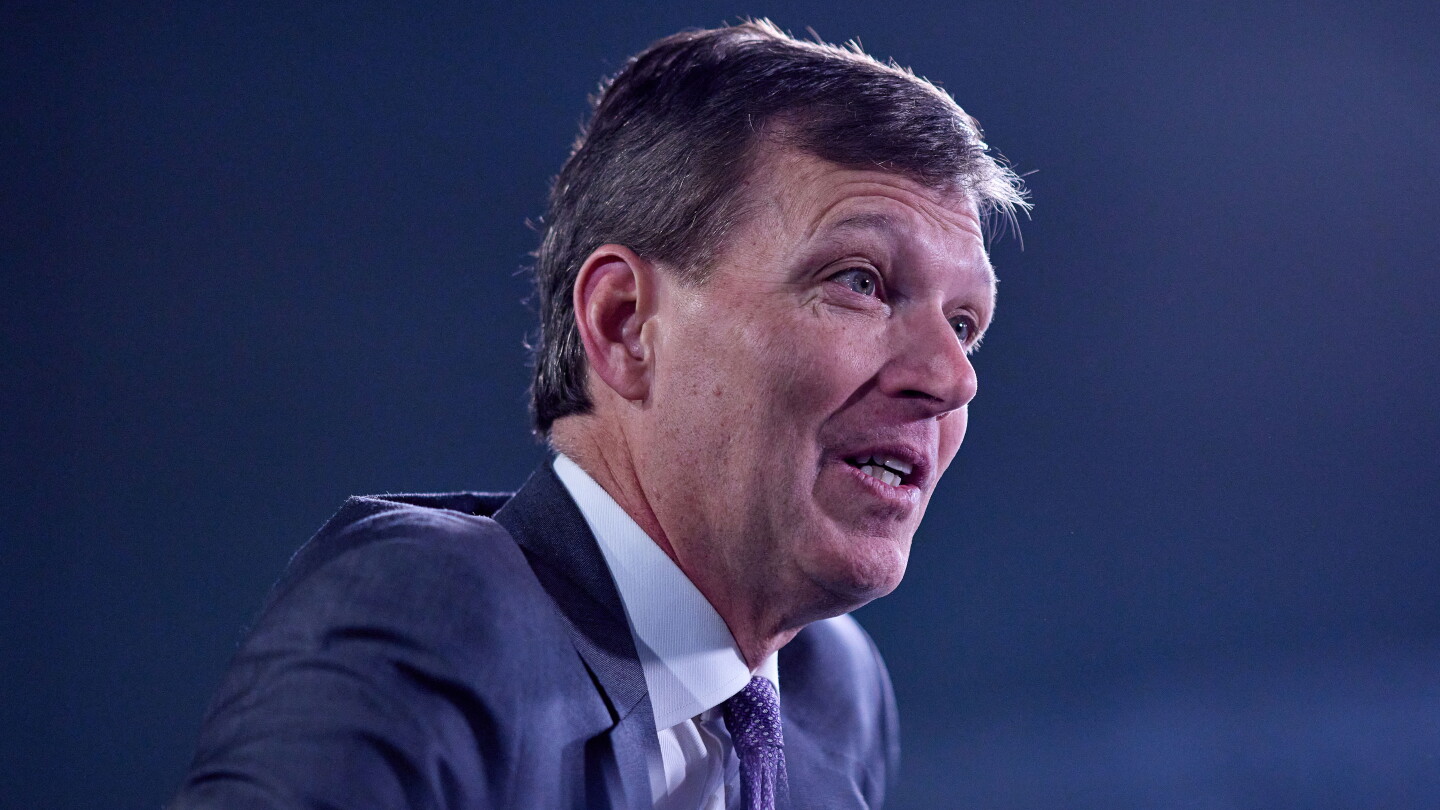
On Tuesday, Sills spoke to reporters at the quarterly ownership meeting in New York. And he arguably protested too much when it came to lingering concerns about the NFL’s culture of medical care for players.
“Any idea or any suggestion that a team physician is influenced by a coach, a General Manager, a team owner — it’s not happening,” Sills insisted. “No doctor takes orders from a football person, a non-medical person. Period.”
Leaving aside whether he directly knows how all 32 teams work (he certainly doesn’t), in this context there is no need for an express order. Doctors understand that the group accepted the assignment; teams want players to be available to play. In almost all cases, the player also wants to be available. Any doctor who develops a reputation in the building for being unnecessarily scrupulous when it comes to clearing a player to play is bound to be replaced by a doctor who does.
And those assignments are very lucrative, both in what they pay the doctor and in how they give the doctor built-in marketing for the rest of the doctor’s practice.
“The notion that there are external factors or that any of our physicians are going to put a player in harm’s way, that’s nonsense,” Sills said.
Eliminating that possibility doesn’t add up to the facts. The mere existence of the Unaffiliated Neurotrauma Consultant program for diagnosing concussions and clearing players returning from concussions directly refutes Sills’ contention. If team doctors can be relied upon every time to set aside the unspoken (because it goes without saying) urgency to find a potentially concussed player good to go or to clear a concussed player to return, there will be NOT NECESSARY for unaffiliated physicians.
As with most other health issues, the situation is not as critical. Orthopedic injuries don’t put a player at risk, and a shot or two of Toradol never hurt anyone, right? (Well, maybe not.)
In those rare instances where the mutual desire for the team and the player to “be available” intersects with the player’s best interest as a patient, there is inherent pressure on the team’s hired doctor to come to an agreement by joining.
Sadly Sills refuses to acknowledge this basic fact. Hopefully, he said this for PR purposes and not because he believes in it.
Finally, Sills invoked “patient privacy concerns” to justify not answering questions about the treatment Hurts received. That’s a copout. Hurts has since authorized the release of numerous statements that have shared with the world various details about his private medical issues.
It’s easy to use “patient privacy concerns” as a shield when, in reality, the player is likely to allow doctors to answer any and all questions about a situation that has become very public. At this point, why would Hurts object to his doctors explaining what they did and why they did it?
Through it all, the NFL and the Eagles just want to keep going. All will come to an end, as the late NFL Commissioner Paul Tagliabue liked to say. Hopefully, this one won’t end until all the necessary questions are asked and answered — and until the NFL determines that, for certain health conditions, the UNC style is necessary.