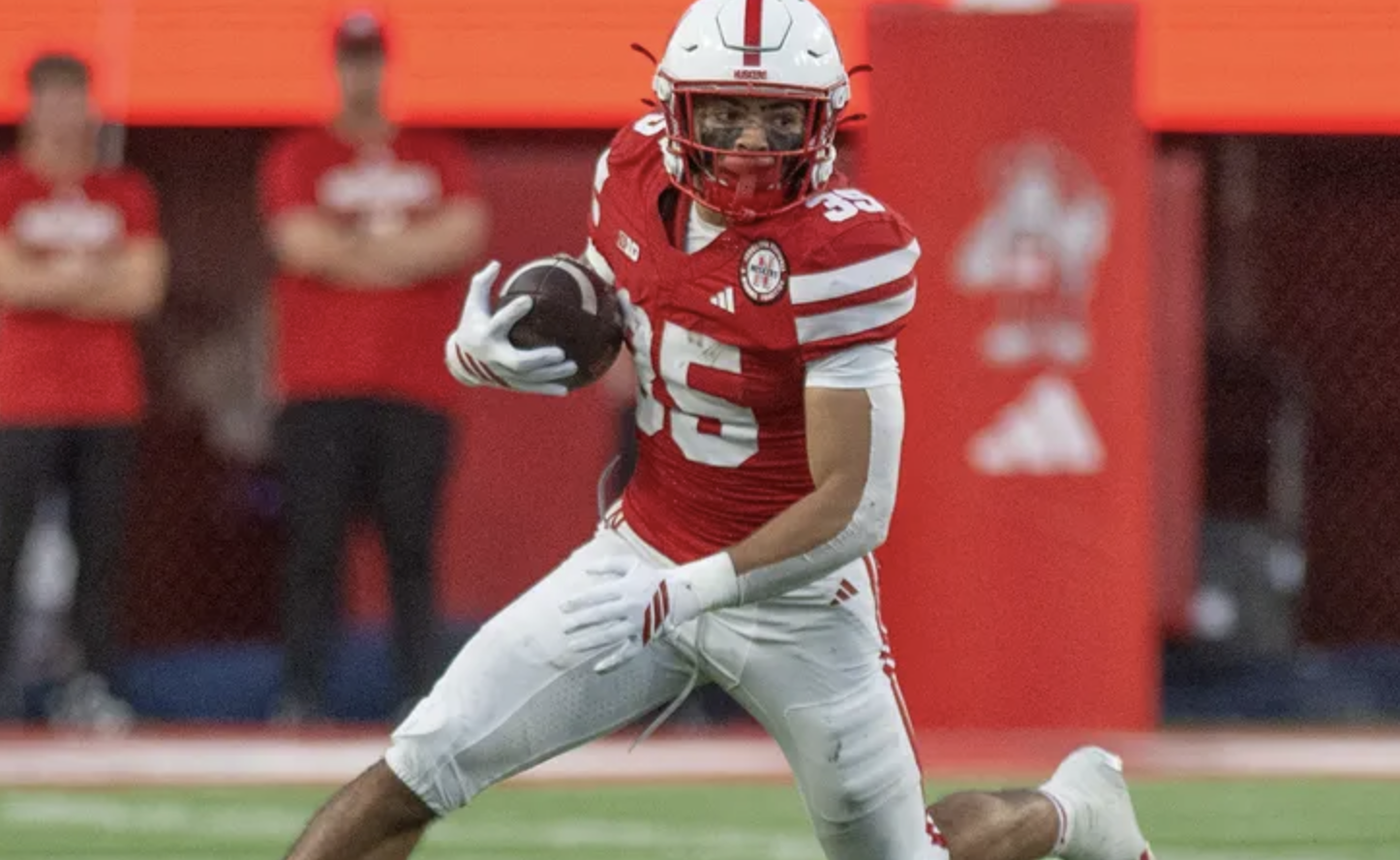
College football demands more than athletic talent. Behind every successful performance are countless hours of physical preparation, academic responsibilities, recovery sessions, and personal commitments. Student-athletes must navigate demanding schedules while maintaining the energy and focus necessary to perform both on the field and in the classroom.
Unlike professional athletes who may focus primarily on their sports careers, college players must balance training with lectures, assignments, exams, and daily life on campus. This combination makes effective time management and a healthy routine particularly important.
Nutrition, sleep, and personal relationships also influence how players manage these responsibilities. Developing sustainable habits allows student-athletes to approach their commitments with greater confidence while preparing for opportunities beyond football. Understanding how they organize their lives shows the discipline required to succeed in one of America’s most competitive college sports.
Nutrition Planning Supports Demanding Football Schedules
College football players require significant nutritional support because their training involves strength development, conditioning, tactical preparation, and repetitive physical exertion. Meals should provide adequate energy while providing the nutrients needed for muscle maintenance and recovery.
Foods rich in protein, vegetables, carbohydrates, and healthy fats can all contribute to a comprehensive meal plan. Individual requirements vary according to body size, playing position, training intensity, and personal goals.
Interest in different dietary approaches also encourages conversations about the carnivore diet vs keto. Comparing these methods introduces useful differences in food selection, carbohydrate intake, and the organization of protein- and fat-oriented meals. Understanding such differences can help athletes become more aware of nutritional strategies and the role that individual food groups play in meal planning.
Most college football programs provide access to sports nutrition professionals who help players coordinate eating habits with their training demands.
For student athletes, having nutritious meals between classes, practices, and meets can make it easier to maintain consistent eating habits.
Cooking and Team Building Builds Relationships Beyond Practice
Food also plays an important social role in college football. Shared meals provide opportunities for teammates to relax, build friendships, and spend time together outside of competitive environments.
Cooking outdoors is particularly popular during football season, which shows the strong connection between American football culture and traditional barbecue gatherings.
Appliances like green mountain pellet grills provide a convenient way to prepare grilled and smoked foods with controlled cooking temperatures. Pellet grills can accommodate a variety of foods, making them attractive for group gatherings where participants enjoy preparing meals together.
For college players, team-organized cookouts and shared dining experiences can strengthen relationships formed during practice.
These informal occasions also encourage conversation between athletes who may belong to different academic programs or come from different backgrounds.
Maintaining strong personal connections contributes to a supportive team environment and helps players experience college life beyond their athletic responsibilities.
Structured Training Builds Strength and Athletic Performance
College football training programs are designed around the physical demands of different playing positions. Offensive linemen, quarterbacks, receivers, and defensive backs require a unique combination of strength, speed, mobility, and technical ability.
Strength and conditioning coaches develop programs that reflect these needs while taking into account each player’s experience and stage of development.
Weight training helps athletes develop the strength needed for blocking, handling, and explosive movements. Speed drills, agility exercises, and position-specific training help with movement efficiency and competitive performance.
Training schedules also change throughout the year. Off-season programs may emphasize physical development, while competitive seasons place more emphasis on maintaining fitness and preparing for opponents.
Regular assessments allow coaches to monitor progress and adjust training demands.
The goal is to develop athletes who can perform consistently throughout the demanding period rather than focusing only on individual exercises.
Academic Responsibilities Require Effective Time Management
College football players must meet academic expectations while participating in one of the university’s most time-consuming activities.
Classes, assignments, exams, practice sessions, and team meetings can fill most of a typical weekday. Traveling to away games introduces additional scheduling challenges, especially when players miss classroom activities.
Many athletic departments provide academic advisors, tutoring programs, and structured learning opportunities to support student-athletes.
Players who develop effective organizational habits can use better time between commitments.
Digital calendars, prioritized assignment lists, and regular communication with instructors can help minimize scheduling conflicts.
Academic development is particularly important because football careers vary greatly in length. Completing a degree and developing professional skills provides opportunities beyond competitive athletics.
Recovery and Sleep Help Players Manage Physical Demands
Football places great demands on the body through repeated running, jumping, changing direction, and physical contact.
Recovery routines help athletes prepare for subsequent training sessions and competitive performances. These practices may include mobility exercises, proper nutrition, hydration, and periods of reduced physical activity.
Sleep is another important part of athletic preparation. Consistent sleep schedules provide opportunities for physical recovery while supporting concentration and learning.
Athletic trainers and medical professionals also monitor injuries and guide players through rehabilitation as needed.
Recovery plans vary by playing position, workload, and individual circumstances.
Developing responsible recovery habits helps student-athletes understand that improvement depends on balancing demanding training with adequate opportunities for rest.
Personal Interests Support a More Balanced College Experience
Although football occupies a large portion of their schedules, student-athletes benefit from maintaining interests outside of the sport.
Some players participate in campus organizations, volunteer programs, or community events. Others enjoy music, gaming, creative activities, or spending time with friends and family.
These experiences allow athletes to develop identities and relationships that transcend their positions on the football field.
Maintaining connections with classmates outside of athletics can also broaden their perspectives on college life.
Community involvement offers additional opportunities to develop communication and leadership skills. Many football programs encourage players to participate in charitable initiatives and local outreach activities.
Balancing personal interests with athletic commitments can make the college experience more enjoyable while supporting long-term personal development.
Preparing for Life After College Football
College football provides valuable opportunities for athletic success, education, and personal growth. However, only a limited number of players eventually establish professional football careers.
Preparing for future opportunities is an important responsibility throughout a student-athlete’s college years.
Internships, networking events, academic projects, and career development programs can introduce players to professional environments beyond sports.
The discipline developed through training often translates into useful skills in the workplace. Time management, collaboration, stability, and effective communication are important in many industries.
Leadership experiences within a football team can also help players prepare for responsibilities in business, education, coaching, and other careers.
Ultimately, the college football experience involves more than winning games or developing athletic ability. Players who balance nutrition, training, academic success, recovery, and personal relationships build foundations that can benefit them beyond their final season.
By approaching their responsibilities with discipline and flexibility, student-athletes can make the most of their time in college while preparing for a successful future on and off the field.

NFL Draft Diamonds was created to help the underdogs who play the sport. We call them diamonds in the rough. My name is Damond Talbot, I have worked hard to help hundreds of small school players over the past few years, and I will continue my mission. We have several contributors to this site, and if they contribute their name and contact will be in the piece above. You can email me at nfldraftdiamonds@gmail.com