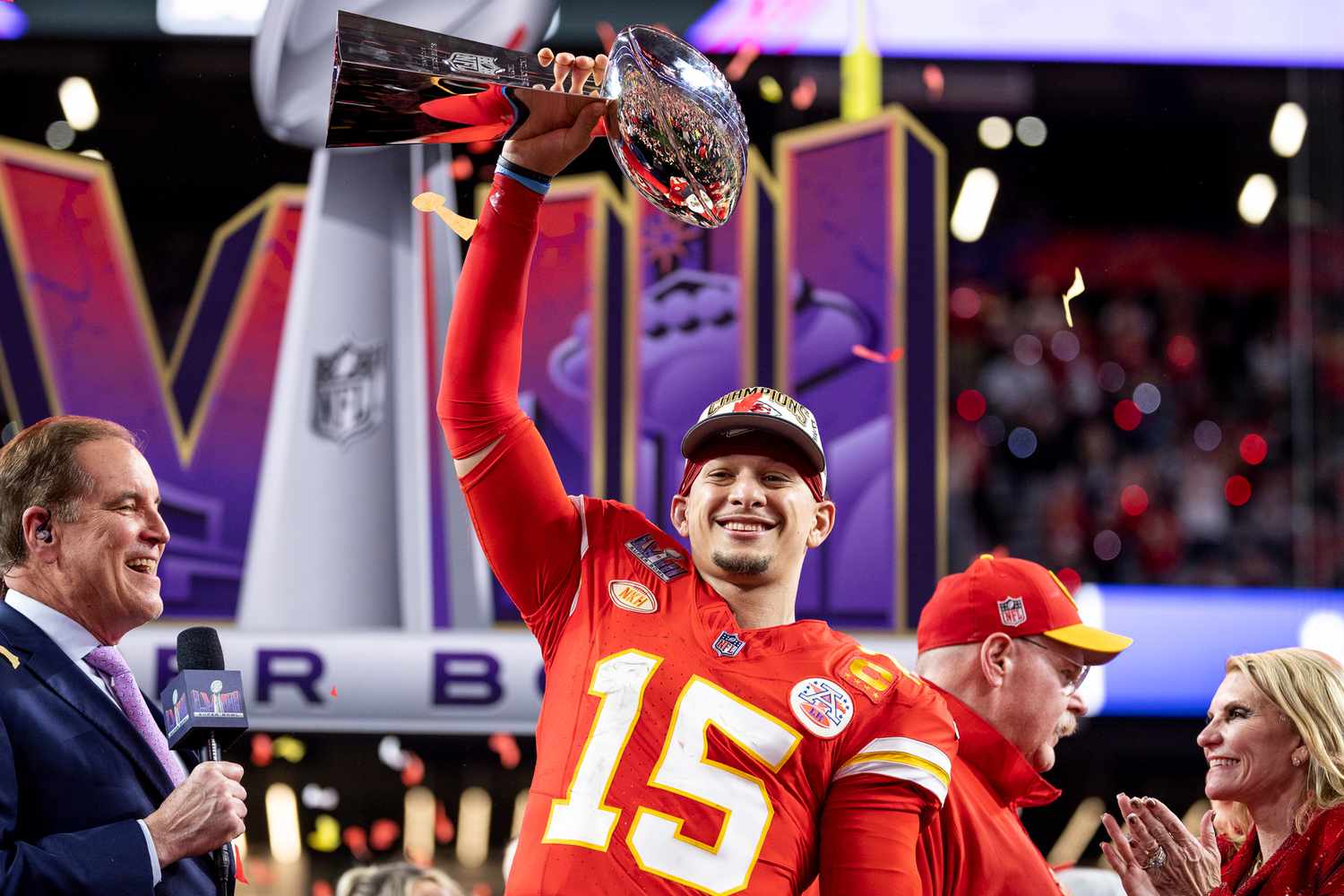
For a franchise that spent the better part of a decade dominating the NFL, it’s an odd question.
Are the Chiefs back?
The truth is that asking if Kansas City is “back” requires first determining when exactly they left.
The Chiefs are no longer the team that terrorizes defenses with weekly offensive fireworks. The days of Patrick Mahomes throwing for 5,000 yards and turning every broken play into a highlight reel are farther away than ever. Opposing defenses have adapted. The roster has evolved. Games just got uglier.
For most franchises, this kind of move wouldn’t raise many eyebrows. But in Kansas City, anything short of dominance is viewed as a warning sign. The Chiefs have become victims of their own success. After years of AFC Championship appearances, Super Bowl runs, and playoff football as the expected rather than the exception, every offensive slump or near victory prompts questions about whether the dynasty has finally slowed down.
Those doubts intensified when Patrick Mahomes suffered a knee injury. For a brief moment, there were legitimate questions about whether the Chiefs could maintain their grip on the AFC without their franchise quarterback at full strength. Instead, Mahomes attacked his rehabilitation with the same relentless determination he brings every Sunday, returning sooner than many expected and quickly restoring optimism around the franchise.
But the bigger lesson is not about an injury or a recovery. It’s a reminder of what has defined Kansas City’s run from the start: resilience. Every time a crack appears in the foundation, the Chiefs find a way to shore it up.
But that evolution may be exactly why Kansas City remains the NFL’s most dangerous team.
The biggest mistake football observers make when analyzing dynasties is assuming they must look the same forever.
They don’t.
The early Chiefs won by overwhelming force. They have speed everywhere, explosive receivers, and an offense that can end a game before halftime. They forced the opponents into a shootout and then defeated them with superior firepower.
The Chiefs are different now.
They have become methodical. More patient. More balanced. They are comfortable winning games in the twenties, teens, and sometimes even less. What used to be a track meet turned into a chess match.
And in the middle of it all is Mahomes.
In some ways, this version of Mahomes is even more impressive than the one that first caught the league’s attention. Amazing throws still exist, but they appear when needed instead of constantly. Instead of looking for the knockout blow on every possession, he increasingly takes what defenses allow and waits for the moment they are vulnerable.
That change reflects maturity, not decline.
Great quarterbacks don’t make a living by doing the same thing forever. They adapt. Tom Brady did it. Peyton Manning did it. Mahomes is doing it now.
The result was a team that became harder to beat even less flashy.
That fact creates an uncomfortable reality for the rest of the AFC.
For years, contenders have lined up to claim the conference throne. Buffalo should have done it. Cincinnati seems capable. Baltimore has built a roster strong enough to challenge anyone. New challengers continue to emerge, each presented as the team finally ready to end Kansas City’s reign.
But when the postseason comes around, Kansas City is almost always in the picture.
Faces change around the conference.
Expectations change.
Predictions change.
The Chiefs remain.
Part of that resilience comes from experience. Championship teams understand moments. They know how to manage pressure. They know when patience is more important than aggression. Most importantly, they don’t panic when a game gets uncomfortable.
Kansas City has won enough big games to understand that style points are irrelevant in January.
That’s why many of their victories may feel unbelievable during the regular season. Fans see close games and assume vulnerability. Critics point to declining offensive numbers and wonder if the dynasty is fading.
Then came the postseason.
Suddenly, the same qualities that seemed boring became strengths. Discipline is important. The football situation is important. Coaching is important. Quarterback play is important.
And few organizations implement those elements better than Kansas City.
In many ways, the Chiefs have reached the same stage of their dynasty that the Patriots once occupied. Remember how every season seemed to start with predictions that New England’s reign was finally ending? A new opponent emerged, analysts declared a changing of the guard, and fans desperately searched for evidence that the dynasty was about to explode.
But come January, the Patriots are still standing.
The Chiefs now occupy the same space in the NFL landscape.
They are no longer the exciting upstart.
They are the establishment.
The team everyone measures themselves against.
Rival team fan bases are tired of seeing championship games.
Ironically, that is often the clearest sign that a dynasty is still alive.
That’s why the question seems wrong.
The NFL continues to look for evidence that Kansas City’s run is ending. Maybe one day it will happen. No dynasty lasts. Injuries, age, salary cap realities, and just plain bad luck all took their toll.
But until another team continues to take the conference away from them, the burden of proof remains elsewhere.
So, are the Chiefs back?
Maybe that’s the wrong question.
A better one might be this:
If the Chiefs never leave, how long is the rest of the NFL willing to let them stay?
The NFL spent years waiting for Kansas City to go away. Instead, the Chiefs evolved. The fireworks may not be as frequent, and the wins may not be as flashy, but the results remain the same.
The Chiefs are not coming back.
They defend an empire.
And until someone proves it, the road to the AFC still runs through Kansas City.

Dan Brown
(Aspiring NFL Writer | Children’s Author | Chicago Bears Devotee in Chiefs Territory)
A career-changing journey led me to pursue a passion for NFL writing, fueled by decades of unwavering devotion to the Chicago Bears. I’m focused on creating compelling NFL content. With a unique skill set honed from self-publishing three children’s picture books, this Chicago native, now living in the heart of Chiefs Kingdom in SE Kansas, offers a unique perspective on the NFL landscape, combining a deep understanding of Bears history with a front-row seat to the Chiefs’ modern dominance. With a background as a retired chef and an Associate Degree in Culinary Arts, the transition to writing was a natural progression, providing a satisfying outlet for a passion that has always been best expressed on paper. Eager to contribute engaging and insightful NFL articles to a wider audience, I look for opportunities to utilize a blend of lifelong fandom, creative writing experience, and dedication to the craft.